Notes on designing marketing tools
Nov 19, 2025
AI + Design
Popular
Marketing automation is how companies relate to people. We need to design for possibility, not ease."
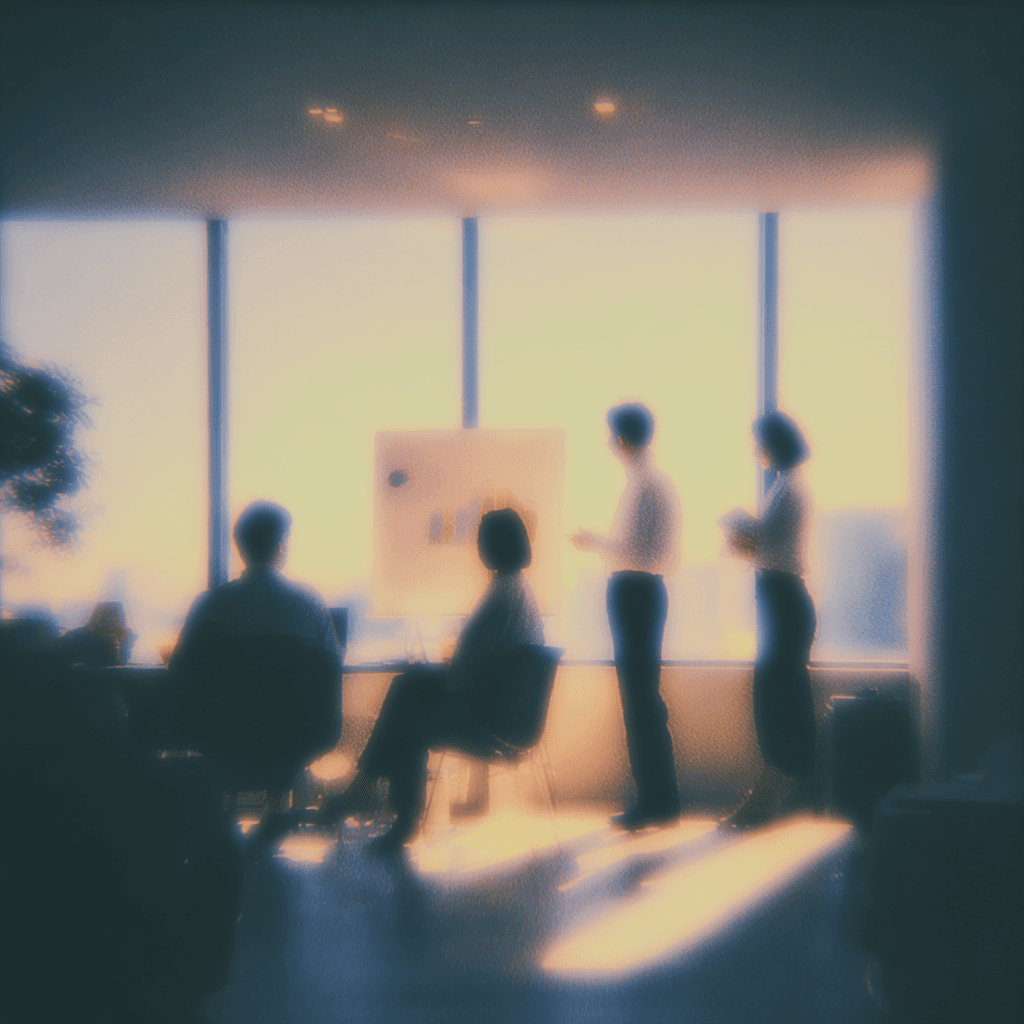
The room without windows
I keep thinking about this room I used to research about. No windows, just screens everywhere, walls of them glowing. Green numbers climbing, red numbers falling. The marketers would stare at these numbers like they were reading stars... opens, clicks, conversions. Each number that they read was a person but us designers never showed the people, just percentages for the marketers.
What we built
I was a designer on some of the marketing automation tools that powered those dashboards and I'm proud of some of that work. The tools were elegant, technically speaking. They let marketers design content and campaigns timed to the exact moment someone was most likely to open them, build audience segments, set up automated sequences across email, WhatsApp, SMS, mobile notifications.
Fifteen messages sent became thirty, then fifty. The system would pop up these cheerful green checkmarks, bright and celebratory, saying "Great campaign!" as if being persistent and being valuable were the same thing. We didn't pay too much attention to designing the unsubscribe experience. It's not given much importance.
Tools as instructions
Marketing tools aren't just software, they're more like instructions for how humans should pay attention to each other. You design the tool, the tool shapes how people behave and that behavior shapes the world.
When you make "send more" easier than "send better," people send more. When you reward frequency over quality, frequency wins.
The system nobody intended
The harm isn't in any single email or WhatsApp message, it's what happens when everyone does it. Every tool trying to grab attention creates this mess where nobody can focus anymore. Inboxes become noise, trust disappears and the only way to be heard is to yell louder.
There's this thinker, Donella Meadows, who said that to understand if something is really a system, you should ask: Do the parts together create something different than each part on its own? One message asking for fifteen minutes is fine. But forty-seven messages across email, SMS, push notifications and WhatsApp from forty-seven different companies, all using the same playbook, all landing in the same week? That's not just messages anymore, that's a system creating something nobody intended.
The marketers aren't the bad guys here, they're stuck using tools that only show what's easy to count... opens, clicks, sales. Not trust, not value, not whether the relationship is actually working.
What AI will multiply
Now AI is about to make all of this much bigger in ways we're not ready for. I've been watching the demos, talking to teams building these tools and the speed is incredible. A thousand personalized messages across every channel written in seconds, each one finding patterns in how people behave, spotting triggers we never noticed.
If we tell these systems to get more engagement, they will find every button to push and push it harder than any person ever could. They'll test different versions of empathy, they'll make authenticity feel automated, they'll personalize at a level that makes today's marketing look simple.
But here's what worries me... AI doesn't just do the tasks faster, it does the thinking faster. It will learn that aggressive messaging works in the short term and copy that instantly across millions of people.
Unless we design it differently from the start, unless we build systems that care about exhaustion, about relationships falling apart, about long-term trust just as much as they care about opens and clicks.
What if we designed differently
What if AI showed an "exhaustion score" before writing another message? What if it suggested slowing down when it saw people getting tired? What if the same intelligence that writes personalized emails, SMS and push notifications also protected people's attention? What if the send button changed colors based on how many messages this person already received this week across all channels?
I'm sketching out what a "relationship health" metric might look like. Not sure yet if it's measurable but I think it's designable.
Still figuring it out
I haven't gotten to test most of this thinking yet. That's the hard part. I know not every company can prioritize this. The pressure to hit numbers is real and the tools that exist now make aggressive outreach the path of least resistance. But the tools we design set the boundaries for what's even possible. Every system I design now, I ask myself:
What does this make easy? What does it make hard? And what world does that create?Because the tools we build don't just solve problems, they teach people what matters, they show what success looks like. AI will multiply whatever we put into it.
The question that stays with me is: Which world am I building? Which room do I want to work in? I'm still figuring that out, but I know it has windows.